
29 Years Later, Revolutionary Girl Utena Finally Gets The Respect It Always Deserved (Exclusive)
Even long after its mythic heyday in the 1990s, the magical girl genre is still synonymous with anime. Hits like Sailor Moon and Cardcaptor Sakura were generation-defining, proving to audiences across the globe that anime had just as much to offer for young girls as it had to offer for young boys. Still, though, as popular as magical girl anime are, much of the genre lacks the kind of pop-culture ubiquity enjoyed by big shōnen hits. What may surprise casual fans of the genre the most is just how dark it can get. Long before Madoka Magica’s famously grim reinvention of the genre, many popular magical girl anime and manga titles were already exploring serious issues. Sailor Moon herself watched all her friends die, so the potential tragedy of life as a magical girl was nothing new when Madoka Magica dropped in 2011. Magical girl anime and shōjo manga were also often impressively progressive for their time period. While Dragon Ball was making a homophobic joke that aged like milk, Sailor Moon was introducing a canon lesbian couple. Long before Marvel or DC introduced their first trans characters, manga’s first trans character appeared in a shōjo manga all the way back in 1978. While these more controversial elements led many of the best magical girl anime and manga to become obscure outside of Japan, in 2026, they’re finally earning the critical acclaim and fandom they always deserved. That’s true for no anime series more than Revolutionary Girl Utena. In an interview with ScreenRant, series creator Kunihiko Ikuhara reflected on the series’ legacy and confirmed that the series is finally earning the critical success it always deserved.
Revolutionary Girl Utena Feels Wildly Ahead Of Its Time In 2026
Adolescence-Of-Utena-Utena-Anthy-Kiss
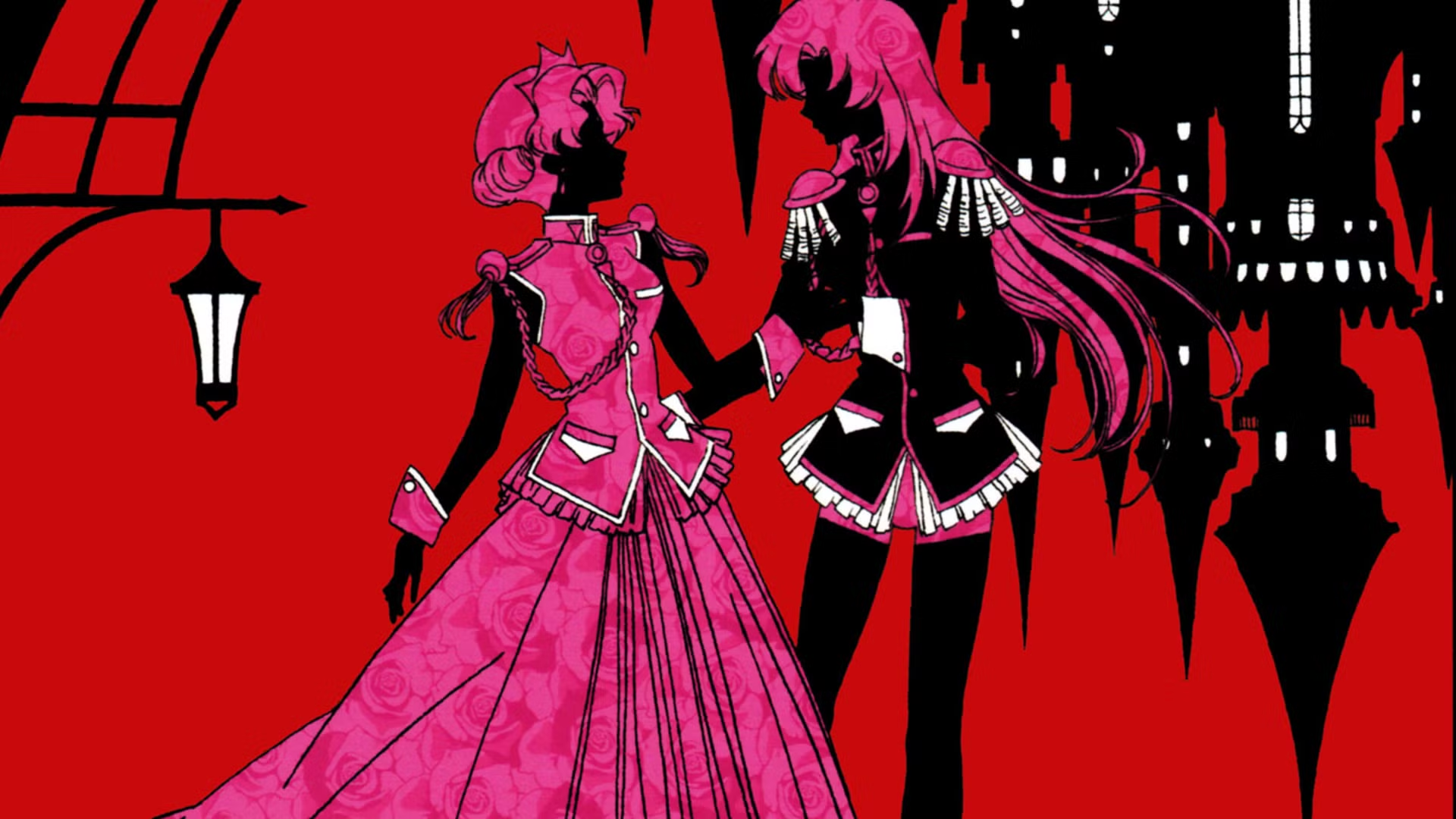
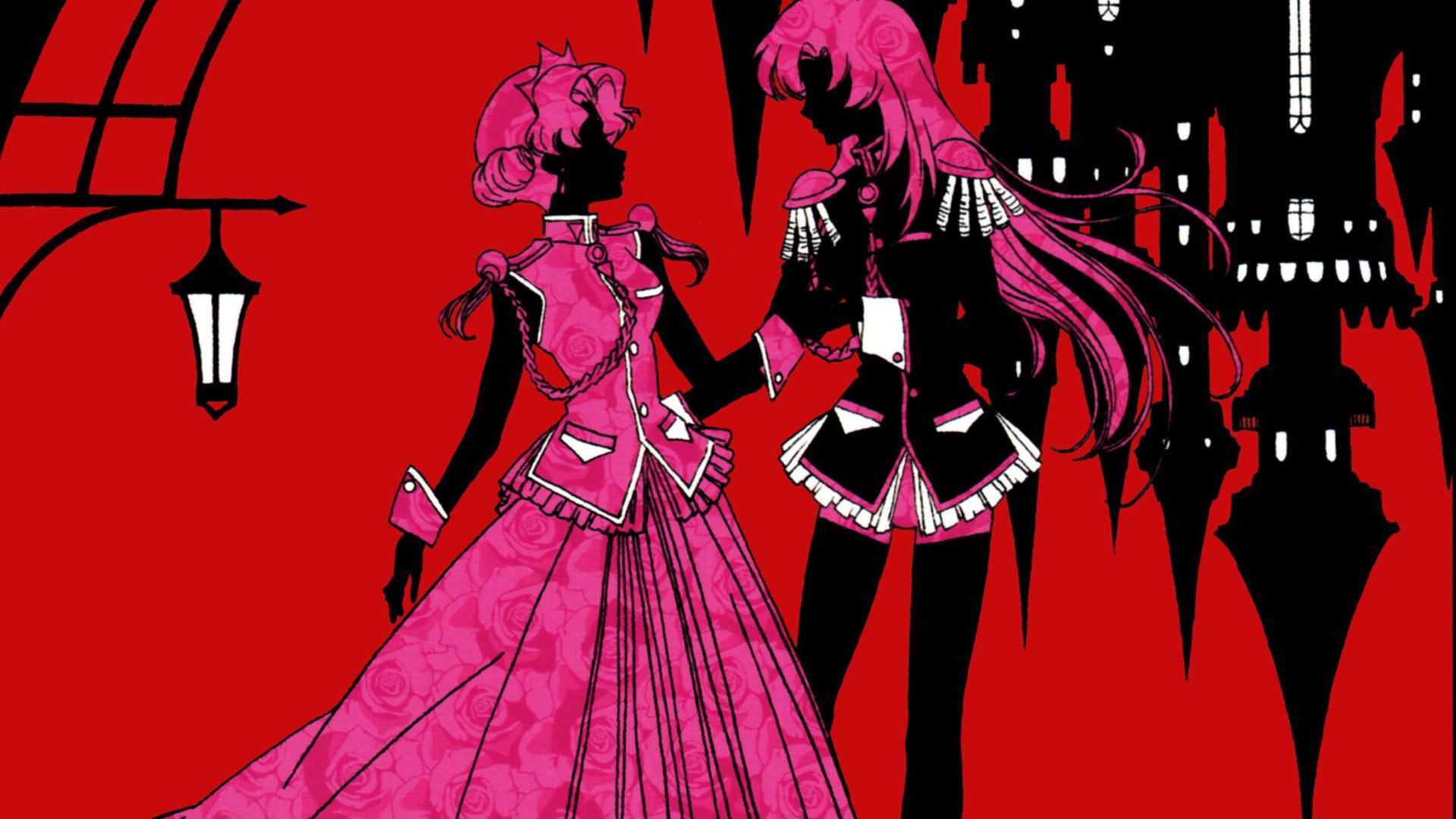
Initially released in 1997, Revolutionary Girl Utena feels like the apotheosis of magical girl anime. The series centers on the titular Utena, a 14-year-old girl who starts attending Ohtori Academy. Having been rescued by a dashing prince as a young woman, Utena lives her life wanting to be that dashing prince rather than be the princess in need of rescue. To this end, Utena battles her fellow students for the hand of the Rose Bride, a girl named Anthy. Considering series creator Kunihiko Ikuhara worked as a director on Sailor Moon, it makes sense that Utena feels like a cross between that and Neon Genesis Evangelion. The series has a deeply philosophical tone that allows it to tackle issues of gender, sexuality, and identity that feel far ahead of their time. Truly anchoring the series is its avant-garde art direction. The series employs a bright color palette, impossible architecture, and differing art styles like paper-dolls to convey the psychological depth of its characters. Through the marriage of visual elements, sound design, and a rock-solid script, viewers come to understand why Utena would reject the role of princess so completely.
29 Years Later, Revolutionary Girl Utena Absolutely Lives Up To Its Title
While the series was big enough in Japan at the time of release that it received a follow-up movie (the recently rereleased Adolescence of Utena movie), the franchise’s creator admitted in his interview with ScreenRant that it wasn’t quite understood when it was released.
Part of it is that at the time, the freshness and revolutionary nature of the franchise wasn’t properly understood. But now that times have finally caught up and the understanding of such matters has deepened, it has been able to find new fans.
Ikuhara also reflected that 2026 is finally an era when the series’ title can be fully appreciated. As controversial as many of Utena’s moments were in 1997 when the anime was first released, they’re now seen as ahead of their time.
I believe it’s now an era where the nuance of the term “revolutionary girl” comes across better than when it was first released. My thoughts and feelings haven’t changed at all, and Utena and Anthy are still traveling through the world they drive off into in the final scene.
While it would be easy to say that Utena may have been misunderstood solely for its subject matter, that’s not quite fair. Utena is beautifully directed, with metaphor-laced visuals and an introspective tone that make the narrative feel rich and layered with nuance. This is an anime that requires viewer input to be fully appreciated. While this sort of puzzle-like approach to narrative is a familiar sight in anime now, it was much rarer back when Utena first aired. In this way, Ikuhara’s work on Utena has as much in common with Twin Peaks as it does with Sailor Moon.
While Utena does have a few flaws, it holds up remarkably well in many ways. The series was forward-thinking, confronting viewers with challenging subject matter and imagery just begging for viewer interpretation. 29 years after it first premiered, there’s still nothing quite like Revolutionary Girl Utena, and that’s why it remains the ultimate magical girl anime.
Release Date
1997 – 1997
Directors
Kunihiko Ikuhara
Writers
Yoji Enokido
Franchise(s)
Revolutionary Girl Utena
تم النشر: 2026-06-30 07:00:00
مصدر: screenrant.com