
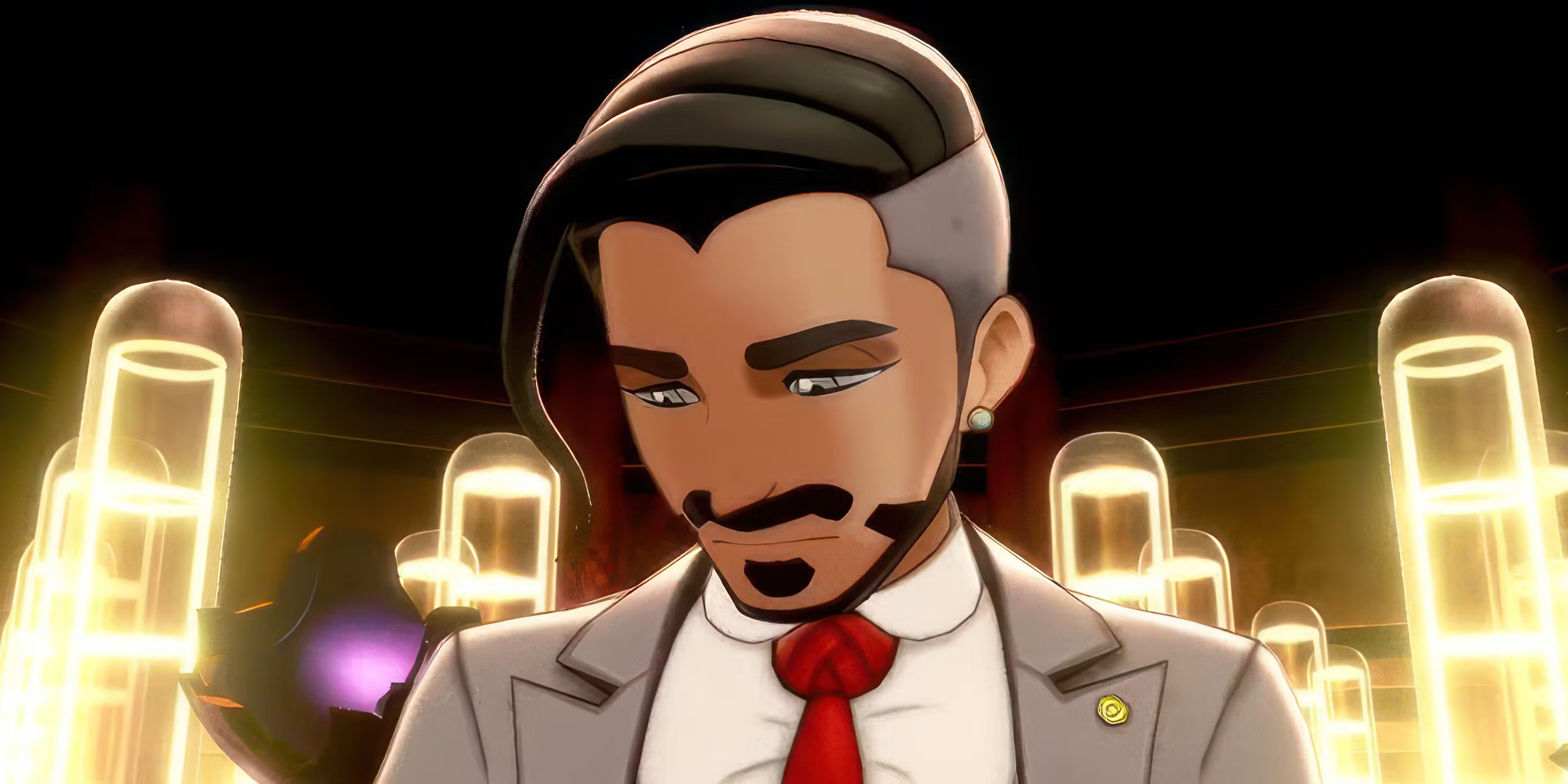
Pokémon Officially Needs To Move Away From Its Winning Formula
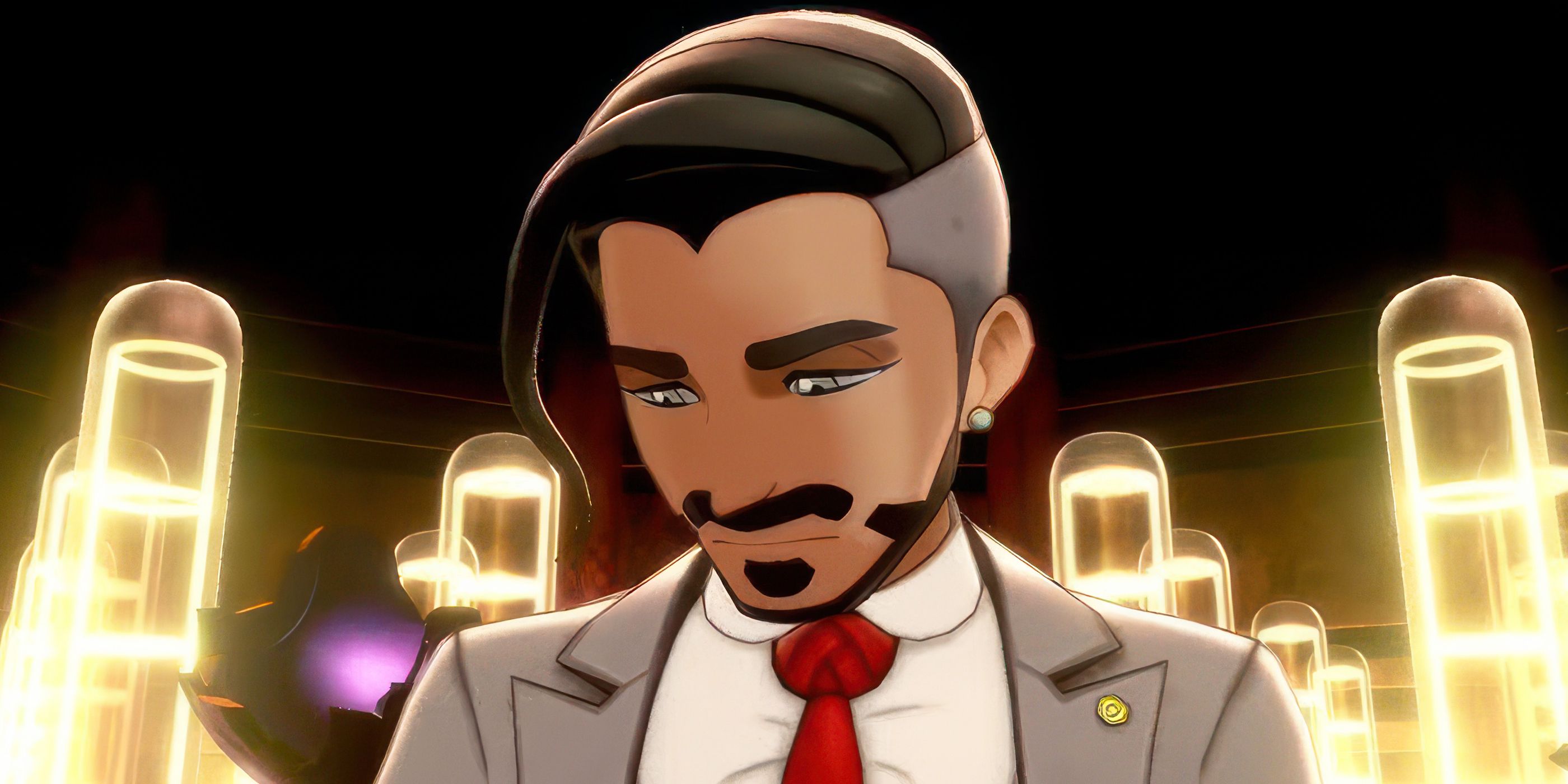
Pokémon is one of the longest-running franchises in the realm of video games, and it’s not difficult to see why. The series allows players to roam a fascinating world populated by the titular creatures. You can capture Pokémon, train and bond with them, and face numerous challenges throughout your journey across a particular region. Most mainline Pokémon games follow a similar structure, with the protagonist challenging the Gym Leaders and, eventually, the Elite Four and the Champion. Along the way, they must also overcome other obstacles, mainly an evil team aiming to control the region.
The regional evil team has been a staple of the series since Generation I introduced the iconic Team Rocket. However, in recent titles, the series has been quietly moving away from the idea, with Pokémon Scarlet and Violet featuring Team Star more as a group of misunderstood outcasts than an outright evil organization seeking regional domination. The decision has proven successful, and the games’ narratives have greatly improved. Indeed, it’s time for Pokémon to abandon the idea of evil teams entirely, making way for new and exciting plots that might also introduce more complexity to the series’ tried-and-true formula.
Evil Teams Have Grown Stale in Pokémon Games
Since Generation I of Pokémon, regional evil teams have been a crucial aspect of the franchise’s formula, making up about half of the narrative in any given mainline title. In Kanto and Johto, it’s the mob-like Team Rocket, which aims to control the regions by exploiting Pokémon for profit. In Hoenn, it’s Team Aqua and Team Magma, both seeking to expand the oceans and land, respectively. In Sinnoh, it’s Team Galactic, arguably the most deranged of them all, which seeks to literally destroy the universe and create a new one. In Unova, Team Plasma, the most sinister, wants to conquer the region by separating Trainers from Pokémon, while Kalos has Team Flare, which wants to create a “beautiful” world by using the Ultimate Weapon. Alola and Galar have regional teams, Team Skull and Team Yell, but they’re both subservient to groups that function as the regions’ actual evil organizations: the Aether Foundation, which seeks to research and potentially control the Ultra Beasts, and Macro Cosmos, which wants to prevent an energy crisis that’s not actually set to occur for another thousand years. Similarly, the most recent region, Paldea, has Team Star, which, as previously mentioned, is just a group of misunderstood pariahs rebelling against their bullies. For the first five generations, the evil teams in Pokémon were quite good. The trope peaked in Gens IV and V, with both Team Galactic and Team Plasma representing Pokémon villainy at its purest. The leaders of both teams, the stoic and somber Cyrus and the insane and brutal Ghetsis, are also two of the best villains in the saga, largely because of how shamelessly evil they are. Since Gen VI, the evil team trope has been on the decline; yes, Alola’s Aether Foundation is great, and Lusamine is a top-tier figure, but Team Flare and especially Macro Cosmos were very underwhelming. Galar’s Macro Cosmos is the main reason why most fans have grown tired of the evil team trope. Its leader, Chairman Rose, is, for lack of a better word, an incredibly useless guy who’s willing to put the entire region at risk for something that won’t happen for another millennium. Let me repeat that: Rose wants to wake Eternatus to harness its energy to solve a problem that won’t actually need solving for another thousand years. It’s the peak of stupidity, and it doesn’t help that Rose is just not a good character: his villainy is meant to be a twist, but you can see it coming from a mile away.
Pokémon Games Need To Embrace Ambiguity With Its Characters
N stands in a caveImage via the Pokémon Company
It’s not a coincidence that the downfall of evil teams in Pokémon coincided with the rise of a new type of character, one that was more morally grey and elusive than anyone we had seen before. Gen V introduced N, one of the franchise’s all-time best characters and the closest thing Pokémon has to an anti-hero. N represented an evolution of the classic Pokémon formula, representing a misguided character who opposed the protagonist while remaining compelling and even easy to root for; in other words, N was an antagonist, not a villain, and that’s exactly what Pokémon needs. Future games followed a similar route, introducing characters who did misleading, treacherous, or even reprehensible things without necessarily being evil: AZ in Pokémon X and Y, Lusamine and Guzma in Pokémon Sun and Moon, and most recently Penny in Scarlet and Violet. The latter two games also feature the AI Professors, Turo and Sada, who act as the final bosses in the base story. They’re allies for most of the playthrough, only to reveal their ulterior motives during the story’s prologue. Turo and Sada aren’t evil, but they are a dangerous enemy and the final obstacle to overcome in Paldea. The DLC also introduces Kieran, another fascinating character who descends into desperation and becomes the main antagonist in this portion of the narrative. All these figures greatly enhance the narratives, introducing some much-needed complexity to a franchise that has long been accused of rejecting change and refusing experimentation. Yes, the plots of most Pokémon games are still rather straightforward, but characters like N, Guzma, and Kieran offer different takes on what it means to be an antagonist. After all, a story doesn’t need a great evil to overcome, even a hero’s journey like the one most Pokémon protagonists experience.
Pokémon Must Let Go of Evil Team Once and for All
Marnie and Team Yell in PokemonImage via The Pokémon Company
Now, I’m not saying Pokémon games need to abandon villainy for good. However, I am saying the idea of the evil team is now outdated and should probably be retired. The games can still have an overarching force for evil; just look at Volo in Pokémon Legends: Arceus, possibly the best villain in the franchise’s history. Volo is widely recognized as one of the best characters in the series, acting as the embodiment of pure evil yet acting all by himself; no need for a whole organization to back him up.
Abandoning the idea of the evil team can also free a lot of space in the average Pokémon narrative. The Starfall Street storyline is one-third of Scarlet and Violet’s main narrative, time that could’ve been spent exploring the secrets behind the Paldea region, for example. Legends: Arceus also provides a blueprint on how to keep a narrative engaging and still have a main villain at the end of the road without any additional distractions. The evil teams in Pokémon have had a good run, but like many of the series’ other tired tropes — HMs, third versions, the Battle Frontier, etc. — it’s time to leave them in the past where they belong.
تم النشر: 2026-07-04 05:08:00
مصدر: collider.com